# Task: Revise Placeholder Images Guide
**Priority:** High
**Type:** Content revision
**Related:** Previous guide implementation needs text/UX improvements
---
## Context
Guide exists at `/docs/guides/placeholder-images/page.tsx`. Structure is OK, but texts need revision based on review session. This task covers text changes and minor UX improvements.
---
## SEO Keywords to Include Naturally
Target these in headings and body text:
- "placeholder image url" (390/mo, KD 21)
- "html placeholder image" (320/mo, KD 33)
- "placeholder image generator" (480/mo, KD 32)
- "ai placeholder images" (from our research)
---
## Section-by-Section Changes
### Hero
**Current subtitle:** "Generate contextual images for development. Copy-paste ready examples with Tailwind CSS."
**New subtitle:** "Generate contextual images for development. The new era of AI placeholders."
Remove Tailwind mention from hero — it's implementation detail, not selling point.
---
### What This Guide Covers
**Current:**
- Live URLs — embed AI-generated images directly in HTML
- Ready-to-use snippets — copy into your project with Tailwind classes
- File download — save images locally via API
**New:**
- **Live URLs** — describe what you need right in `![]() ` src URLs
- **API generation** — full control, permanent URLs, downloadable files
Remove "snippets" as separate point — that's expected from any guide.
---
### AI Generation Basics → Rename to "How to Create Placeholders"
**Current content:** Generic AI explanation (prompt → image, enhancement, etc.)
**New content:**
Focus on Banatie features, not AI basics:
**Templates**
Choose a style, get quality results. Banatie enhances your simple prompt based on selected template.
Available templates:
- `photorealistic` — photo-quality images
- `digital-art` — stylized illustrations
- `3d-render` — 3D graphics
[Link to full templates documentation]
**Simple Prompts**
Write minimal descriptions. Templates handle the rest.
- "office" → detailed modern office with proper lighting
- "headshot" → professional portrait with studio background
No need for complex prompts — this is for placeholders, not art.
**Remove:**
- "Prompt Enhancement" as separate concept (it's what templates do)
- "Caching" paragraph (belongs to Live URLs section, not here)
---
### Quick Start
**Add intro paragraph** explaining what Live URLs are and why they're perfect for placeholders:
> Live URLs let you generate images by describing what you need right in the URL. No API calls, no file management — just an `
` src URLs
- **API generation** — full control, permanent URLs, downloadable files
Remove "snippets" as separate point — that's expected from any guide.
---
### AI Generation Basics → Rename to "How to Create Placeholders"
**Current content:** Generic AI explanation (prompt → image, enhancement, etc.)
**New content:**
Focus on Banatie features, not AI basics:
**Templates**
Choose a style, get quality results. Banatie enhances your simple prompt based on selected template.
Available templates:
- `photorealistic` — photo-quality images
- `digital-art` — stylized illustrations
- `3d-render` — 3D graphics
[Link to full templates documentation]
**Simple Prompts**
Write minimal descriptions. Templates handle the rest.
- "office" → detailed modern office with proper lighting
- "headshot" → professional portrait with studio background
No need for complex prompts — this is for placeholders, not art.
**Remove:**
- "Prompt Enhancement" as separate concept (it's what templates do)
- "Caching" paragraph (belongs to Live URLs section, not here)
---
### Quick Start
**Add intro paragraph** explaining what Live URLs are and why they're perfect for placeholders:
> Live URLs let you generate images by describing what you need right in the URL. No API calls, no file management — just an `![]() ` tag with your prompt. Each unique prompt is cached, so subsequent loads are instant via CDN.
**Change example URL** from `{org}/{project}` placeholder to real working URL:
```html
` tag with your prompt. Each unique prompt is cached, so subsequent loads are instant via CDN.
**Change example URL** from `{org}/{project}` placeholder to real working URL:
```html
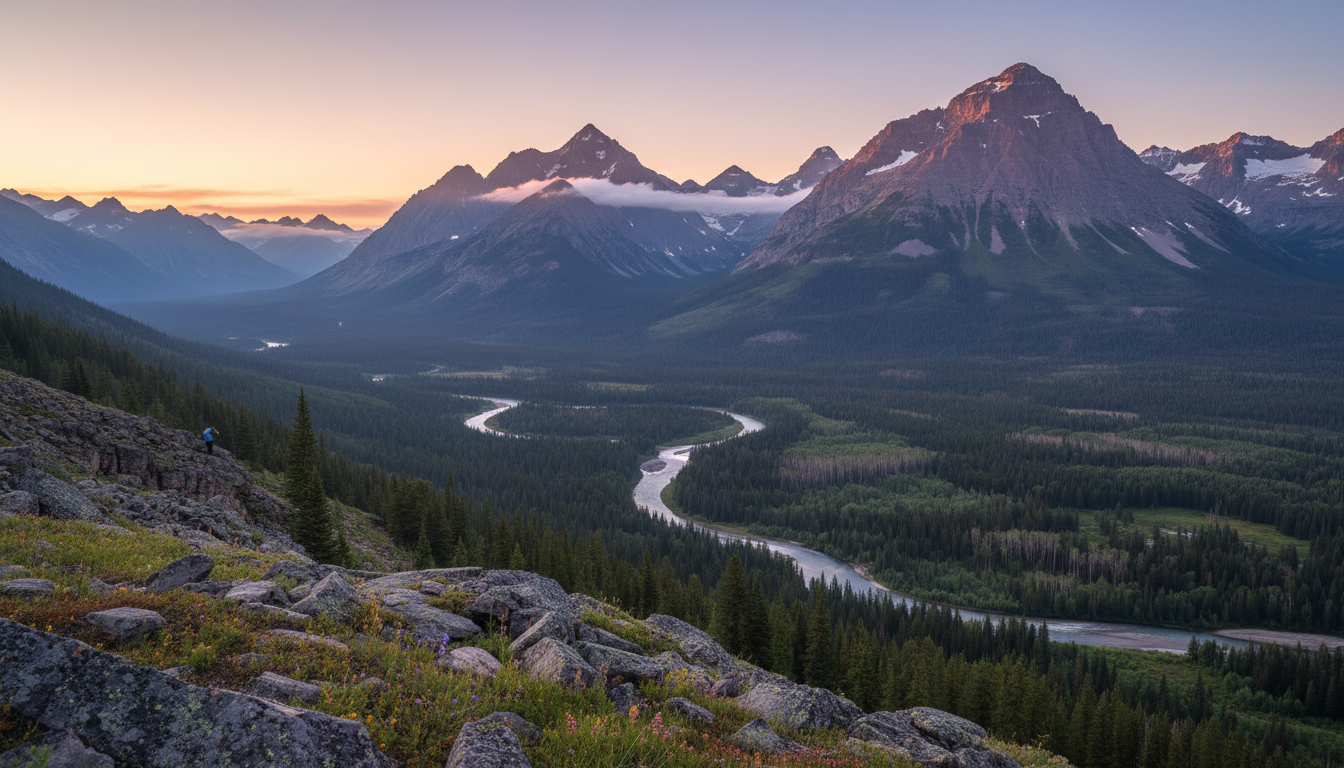 ```
**Add live result** — show the actual generated image right after the code snippet.
---
### Organizing Placeholders
**Current:** Dry list of scope examples
**New approach:**
Short explanation: "Organize images by sections of your site using scopes."
One example showing the pattern:
```
/live/avatars?prompt=... → user photos
/live/hero?prompt=... → hero backgrounds
/live/products?prompt=... → product catalog
```
Then link: "Learn more about scopes in [Live URLs documentation](/docs/live-urls/#scopes)."
Don't teach users how to name things — let them figure it out.
---
### Prompt Tips
**Current "Be specific"** — contradicts placeholder philosophy
**New "Write less, not more":**
> For placeholders, simple prompts work best. Templates add the details.
>
> - Want an office? Write "office"
> - Need something specific? Add only what matters: "office dark theme"
> - Templates handle lighting, composition, style
**Current "Dark mode"** → **"Colors and themes":**
> Control the mood with color hints:
> - `dark background` — dark theme
> - `blue and orange accents` — specific palette
> - `warm lighting` — cozy feel
Keep dark mode examples but expand to general color control.
**Remove "Consistent style"** — too vague. Consistency comes from templates + references (advanced topic).
**Change TipBox text:**
From: "All examples in this guide use prompt enhancement..."
To: "Templates automatically enhance your prompts. A simple description becomes a detailed generation instruction."
---
### Recipes Section
**Add section header:** Create a parent heading "Recipes" or "Common Use Cases" that groups all the examples (Avatar, Product, Hero, OG, Features).
---
### Recipe Cards: Code + Preview
**UX improvement:** Each recipe should have a tabbed component with "Preview" and "Code" tabs, not separate blocks.
If tabs are complex to implement, at minimum:
- Show live preview FIRST
- Code snippet below with clear label
- Remove redundant "Code Snippet" / "Live Example" headings — visual separation is enough
---
### Testimonial Card (Avatar section)
**Current design:** Basic dark card
**Improve design quality:**
- Add subtle border or gradient
- Better typography hierarchy
- Proper quote styling (quotation marks or left border)
- Make it look like something you'd actually ship
This is our showcase — it should look good.
---
### File-based Workflow
**Current intro:** "Sometimes you need image files in your repository instead of URLs."
**New intro:** "Need files in your repo? Here's how to download generated images."
Warmer, more direct.
**Remove "Static site generators" mention** — no SEO value, weak use case.
**Keep:**
- Next.js with imports (fix the pattern — show `import` from `src/assets`, not `/public`)
- Version-controlled images
**Simplify download example:**
Current code is mini-SDK territory. Simplify to:
```javascript
// 1. Generate image
const response = await fetch('https://api.banatie.app/v1/generations', {
method: 'POST',
headers: {
'Content-Type': 'application/json',
'X-API-Key': process.env.BANATIE_API_KEY,
},
body: JSON.stringify({ prompt: 'modern office' }),
});
const { image } = await response.json();
console.log(image.cdnUrl); // Download this URL via browser or curl
```
Remove the fs.writeFileSync part — that's SDK territory. User can download via browser.
---
### "When to Use Files" List
**Current:**
- Next.js projects with `/public` folder ❌
- Static site generators requiring local assets ❌
- Version-controlled images
- Offline development
**New:**
- Next.js/React projects with local image imports
- Version-controlled placeholder assets
- Offline or CI/CD environments
---
## Component Changes
### LivePreview wrapper
Current implementation is OK. No changes needed unless design quality is poor.
### Code/Preview tabs
If implementing tabs is too complex, skip for now. But note it as future improvement.
---
## Quality Checklist
After implementation:
- [ ] No mention of "Prompt Enhancement" as standalone feature
- [ ] Templates positioned as primary feature
- [ ] All example URLs use `sys/demo` (real project)
- [ ] Quick Start shows actual generated image
- [ ] File-based section uses import pattern, not /public
- [ ] No static site generators mentioned
- [ ] Testimonial card looks professional
- [ ] SEO keywords naturally integrated
---
## Files to Modify
```
apps/landing/src/app/(apps)/docs/guides/placeholder-images/page.tsx
```
No new files needed.
```
**Add live result** — show the actual generated image right after the code snippet.
---
### Organizing Placeholders
**Current:** Dry list of scope examples
**New approach:**
Short explanation: "Organize images by sections of your site using scopes."
One example showing the pattern:
```
/live/avatars?prompt=... → user photos
/live/hero?prompt=... → hero backgrounds
/live/products?prompt=... → product catalog
```
Then link: "Learn more about scopes in [Live URLs documentation](/docs/live-urls/#scopes)."
Don't teach users how to name things — let them figure it out.
---
### Prompt Tips
**Current "Be specific"** — contradicts placeholder philosophy
**New "Write less, not more":**
> For placeholders, simple prompts work best. Templates add the details.
>
> - Want an office? Write "office"
> - Need something specific? Add only what matters: "office dark theme"
> - Templates handle lighting, composition, style
**Current "Dark mode"** → **"Colors and themes":**
> Control the mood with color hints:
> - `dark background` — dark theme
> - `blue and orange accents` — specific palette
> - `warm lighting` — cozy feel
Keep dark mode examples but expand to general color control.
**Remove "Consistent style"** — too vague. Consistency comes from templates + references (advanced topic).
**Change TipBox text:**
From: "All examples in this guide use prompt enhancement..."
To: "Templates automatically enhance your prompts. A simple description becomes a detailed generation instruction."
---
### Recipes Section
**Add section header:** Create a parent heading "Recipes" or "Common Use Cases" that groups all the examples (Avatar, Product, Hero, OG, Features).
---
### Recipe Cards: Code + Preview
**UX improvement:** Each recipe should have a tabbed component with "Preview" and "Code" tabs, not separate blocks.
If tabs are complex to implement, at minimum:
- Show live preview FIRST
- Code snippet below with clear label
- Remove redundant "Code Snippet" / "Live Example" headings — visual separation is enough
---
### Testimonial Card (Avatar section)
**Current design:** Basic dark card
**Improve design quality:**
- Add subtle border or gradient
- Better typography hierarchy
- Proper quote styling (quotation marks or left border)
- Make it look like something you'd actually ship
This is our showcase — it should look good.
---
### File-based Workflow
**Current intro:** "Sometimes you need image files in your repository instead of URLs."
**New intro:** "Need files in your repo? Here's how to download generated images."
Warmer, more direct.
**Remove "Static site generators" mention** — no SEO value, weak use case.
**Keep:**
- Next.js with imports (fix the pattern — show `import` from `src/assets`, not `/public`)
- Version-controlled images
**Simplify download example:**
Current code is mini-SDK territory. Simplify to:
```javascript
// 1. Generate image
const response = await fetch('https://api.banatie.app/v1/generations', {
method: 'POST',
headers: {
'Content-Type': 'application/json',
'X-API-Key': process.env.BANATIE_API_KEY,
},
body: JSON.stringify({ prompt: 'modern office' }),
});
const { image } = await response.json();
console.log(image.cdnUrl); // Download this URL via browser or curl
```
Remove the fs.writeFileSync part — that's SDK territory. User can download via browser.
---
### "When to Use Files" List
**Current:**
- Next.js projects with `/public` folder ❌
- Static site generators requiring local assets ❌
- Version-controlled images
- Offline development
**New:**
- Next.js/React projects with local image imports
- Version-controlled placeholder assets
- Offline or CI/CD environments
---
## Component Changes
### LivePreview wrapper
Current implementation is OK. No changes needed unless design quality is poor.
### Code/Preview tabs
If implementing tabs is too complex, skip for now. But note it as future improvement.
---
## Quality Checklist
After implementation:
- [ ] No mention of "Prompt Enhancement" as standalone feature
- [ ] Templates positioned as primary feature
- [ ] All example URLs use `sys/demo` (real project)
- [ ] Quick Start shows actual generated image
- [ ] File-based section uses import pattern, not /public
- [ ] No static site generators mentioned
- [ ] Testimonial card looks professional
- [ ] SEO keywords naturally integrated
---
## Files to Modify
```
apps/landing/src/app/(apps)/docs/guides/placeholder-images/page.tsx
```
No new files needed.